
Brick Pointing & Repointing in NYC
Brick pointing done by specialists who only work on mortar joints. We cut worn mortar out to full depth and repoint with mortar matched to your brick in color, strength, and joint profile, across Manhattan, Brooklyn, Queens, the Bronx, and Westchester.
- Mortar Matched to Your Brick
- Licensed & Insured






Brick Pointing in NYC, Explained
Brick pointing is the craft of renewing the mortar between bricks. Worn mortar is cut out of the joints, and fresh mortar is packed back in and shaped to match the original. Repointing is simply the term for doing it on an existing wall, which is what almost every NYC job is. The bricks stay exactly where they are.
What makes repointing last is the mortar. We match it three ways, in color and texture so the joints blend in, in strength so it stays softer than the brick (which on older buildings often means lime mortar), and in joint profile, from flush and concave to historic tuckpointed joints. Done this way, National Park Service guidance says a repointing job should last at least 30 years.
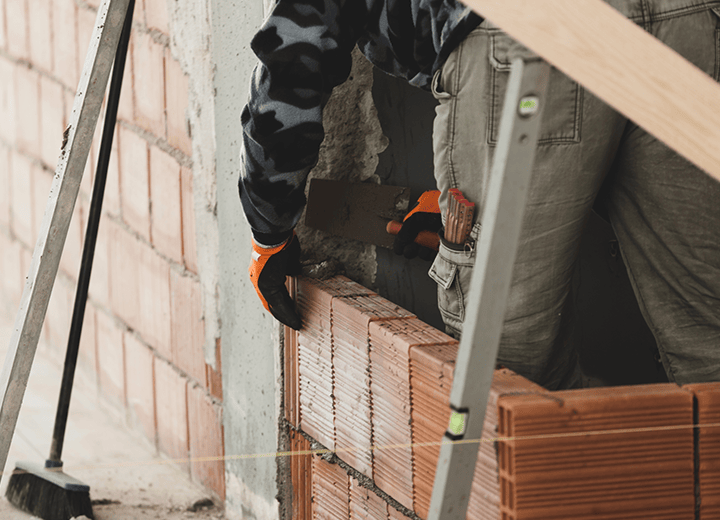
Specialized Brick Pointing Services in NYC
Different walls, different mortars, different joints. Here’s the pointing work we specialize in beyond standard brick repointing.
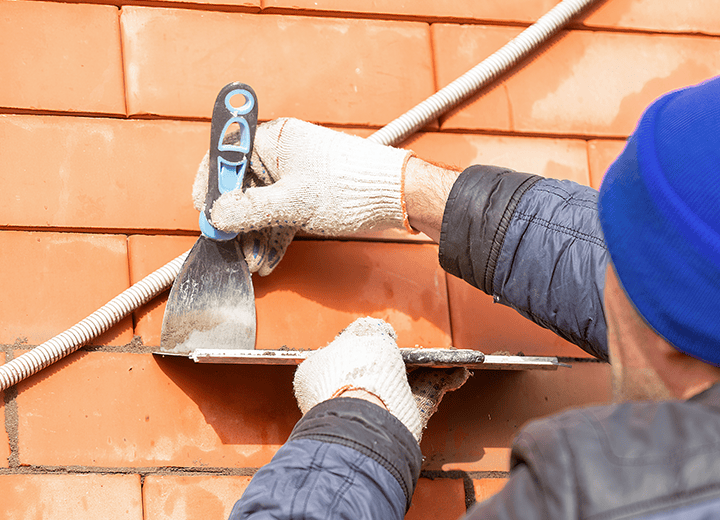
True tuckpointing, the fine raised line of mortar over a colored joint, restored on older NYC facades where it was part of the original design.
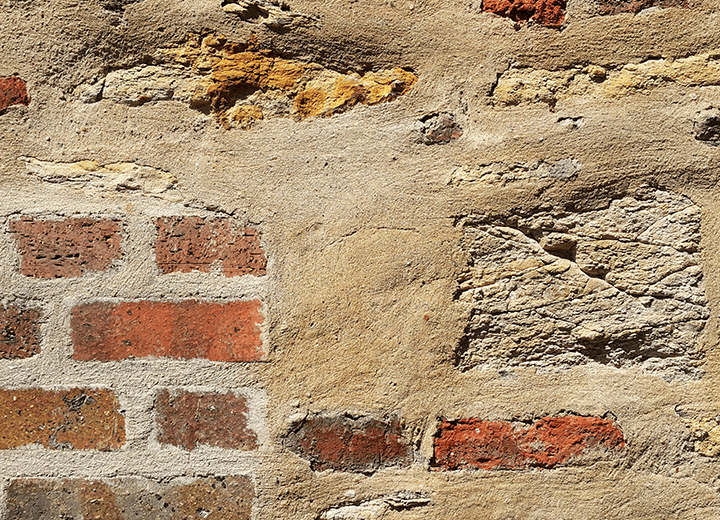
Soft lime mortar for pre-war brick that modern cement mortar would crack, so the wall can breathe and the brick survives.
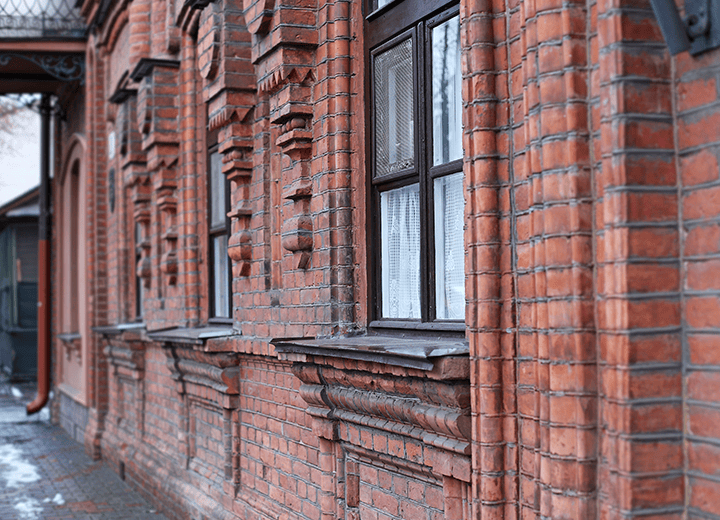
Joints in brownstone, limestone, and granite repointed with mortar matched to the stone rather than to brick.
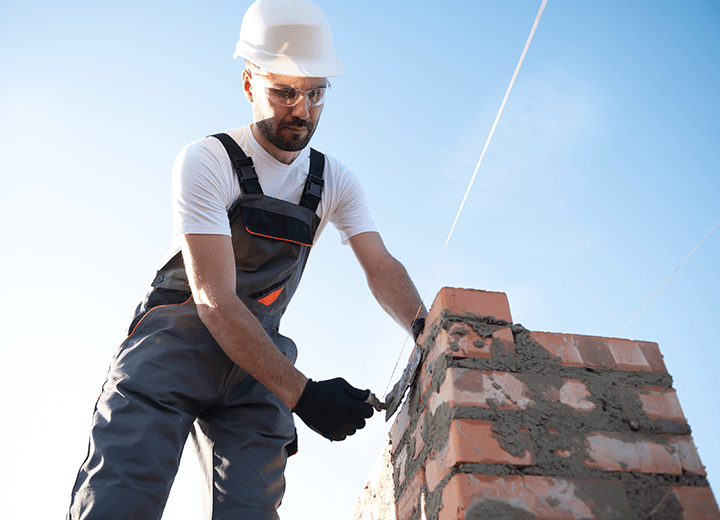
The most weather-beaten joints on the building repointed before water works down into the chimney and the house.
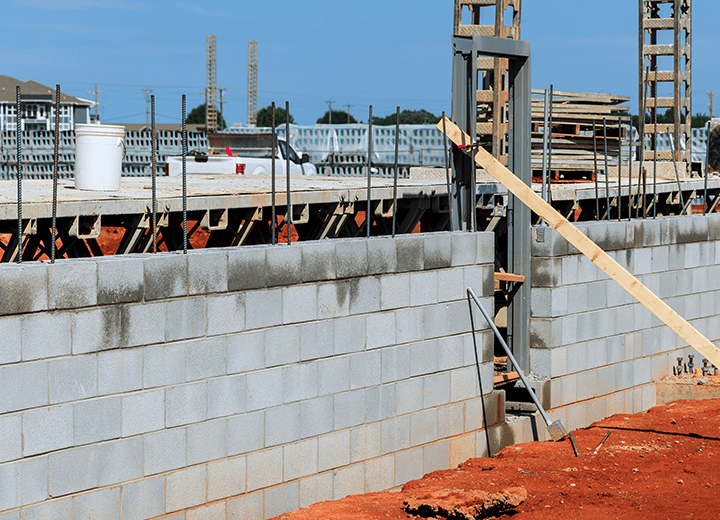
Both faces of rooftop parapets repointed, often the first repair after an annual parapet observation.
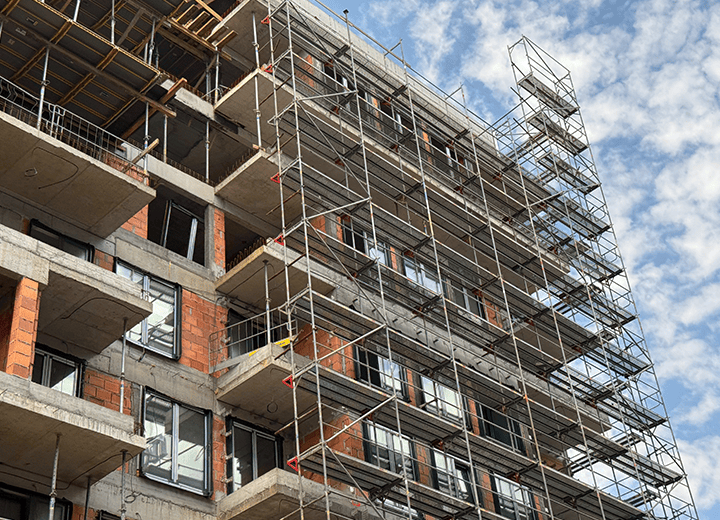
Multi-story repointing with scaffolding, sidewalk protection, and the coordination that co-ops and managed buildings need.
Signs It's Time to Repoint Your Brick in NYC
You don’t need a ladder to check your mortar. Most of the warning signs can be seen, or felt, from the ground.
If a few of these sound familiar, the joints are wearing out and the wall is ready for repointing.
A Key Digs Right In
Scrape a joint with a key, and the mortar crumbles away.
Weeds in the Joints
Plants and moss taking root where mortar has washed out.
Brick Edges Breaking at Joints
A sign earlier pointing used mortar harder than the brick.
Mortar Dust Below the Wall
Sandy grit collecting on sills and along the base of the wall.
Patch Jobs That Stand Out
Old repairs in the wrong color or a harder, grayer mortar.
Walls That Stay Dark After Rain
Joints soaking up water long after the storm has passed.
NYC Requirements That Shape Brick Pointing Work
Pointing looks like simple maintenance, but in New York City it often ties into landmark reviews and City inspection programs.
Landmarks & Mortar Samples
On landmarked buildings and in historic districts, LPC reviews repointing, and permits often call for mortar samples to be approved before work begins.
Local Law 11 Buildings
On buildings taller than six stories, worn mortar joints are among the most common findings in FISP reports.
Annual Parapet Observations
Since 2024, NYC parapets facing the street need a yearly observation, and repointing is often the fix it calls for.
Why NYC Owners Choose Our Brick Pointing Specialists
Most bad pointing comes down to shortcuts. Joints are scraped too shallow, mortar is mixed too hard, and grinders are used on brick too soft to take them. We don’t take those shortcuts.
Cut to Full Depth
Old mortar removed deep enough for the new mortar to bond.
Mortar Softer Than the Brick
So the joints wear, not the brick.
Test Panels First
A sample area approved before the whole wall is done.
Hand Tools on Soft Brick
No grinders where older brick can't take them.
The Brick Pointing Process We Follow in NYC
Good repointing is slow on purpose. These four stages are what make it last.
01
Joint Survey & Test Panel
We check the joints, the brick, and the original mortar, then point a small test area for your approval.
02
Cut Out to Proper Depth
Worn mortar is removed to two to two and a half times the joint width, without chipping the brick edges.
03
Point in Layers
Deep joints are filled in layers, each one pressed firm before the next goes in.
04
Tool, Clean & Cure
Joints are shaped to match the original profile, brick faces are cleaned, and the new mortar is protected while it cures.
Reviews From NYC Brick Pointing Customers
4.6 /5
“We had several masonry issues around our property, including loose mortar and a few damaged brick areas. The crew explained what needed attention and completed everything neatly. The building looks much better now.”
Brick Repointing Projects Across NYC
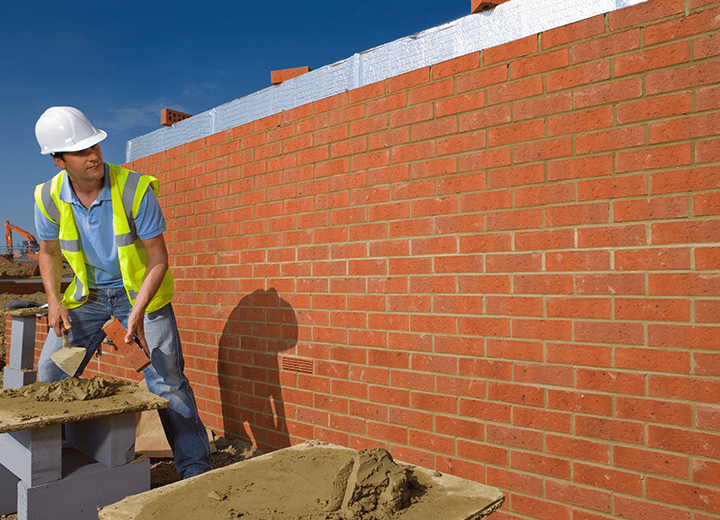
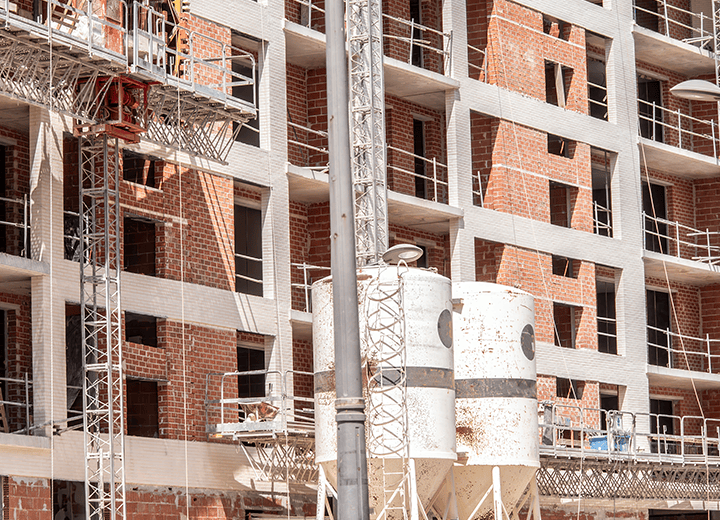
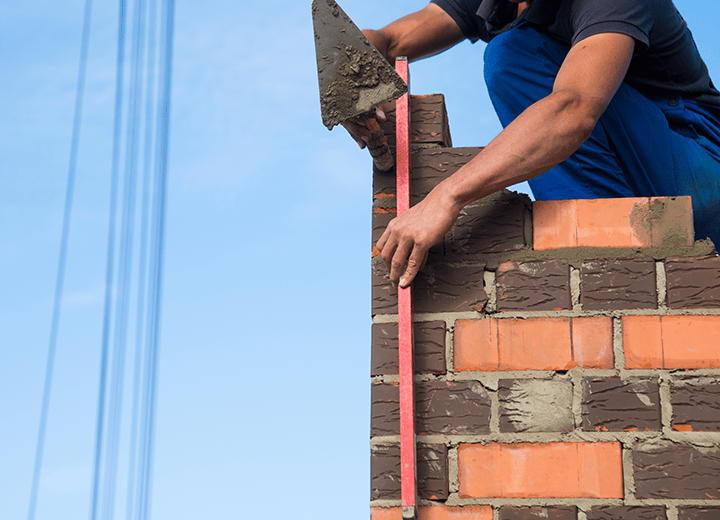
Where We Do Brick Pointing in NYC & Westchester
We repoint brick houses, row homes, brownstones, and apartment buildings throughout four NYC boroughs and Westchester County.
- Bronx
- Brooklyn
- Manhattan
- Queens
- Westchester
Brick Pointing & Repointing FAQs
If the damage is limited to a few areas, spot pointing those sections can be enough. When most of the joints are soft, recessed, or cracking, repointing the whole wall gives a more even look and saves you from coming back to it section by section.
National Park Service guidance says old mortar should be removed to a minimum depth of two to two and a half times the width of the joint. That depth is what lets the new mortar bond properly instead of popping out after a few seasons.
It depends on the brick and the mortar. Soft historic brick and lime mortar are usually cut out by hand to protect the brick edges. Harder modern mortar can be removed with power tools, carefully, so the brick isn't nicked or widened.
The biggest factors are the size of the wall, how deep the mortar has failed, the height and any scaffolding or sidewalk protection, and whether a custom or lime mortar is needed. Our brick pointing cost guide covers each one in detail.
Yes. Multi-story repointing involves scaffolding, sidewalk protection, board approvals, and often FISP deadlines. Our apartment building pointing page covers how we handle those jobs.
A single wall on a house can take a few days. A full row house facade or an apartment building with scaffolding can take weeks, depending on the size, height, and weather. We give you a realistic schedule with the quote.