
Tuckpointing NYC
Tuckpointing in NYC by pointing specialists who know the real craft. We restore the fine lime putty lines and colored joints of true tuckpointing on older facades, and we repoint everyday brick walls just as carefully.
- True Ribbon-Joint Tuckpointing
- Historic Joints Restored
What Is Tuckpointing?
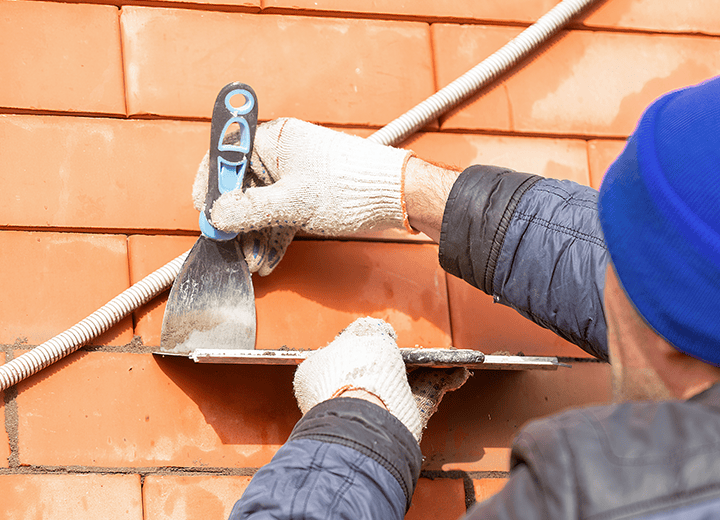
Tuckpointing is a decorative pointing technique. The joints are first filled flush with mortar colored to match the brick, and then a thin, straight line of lime putty is laid along the center of each joint. From the street, the colored mortar disappears into the brick and the fine line reads as the joint, which makes rough or uneven brick look like precise, finely laid brickwork. The National Park Service describes true tuckpointing as a primarily decorative raised joint applied on top of flush mortar joints.
In everyday use, especially in the United States, many people say tuckpointing when they simply mean repointing, replacing worn mortar in the joints. Both are real jobs, and we do both. If your wall has ordinary joints that need renewing, our brick pointing service is what you’re looking for. If it has the narrow raised lines of original tuckpointing, or you want that look restored, this page is for you.
Tuckpointing in NYC, Done the Traditional Way
True tuckpointing takes two separate skills, color matching and line work. The base mortar has to vanish into the brick, and the ribbon on top has to run straight, even, and crisp across the whole facade. It’s slower than standard repointing and far less common, which is why original tuckpointing on older buildings is so often lost to repairs that simply fill the joints and move on.
True Tuckpointing
Colored flush joints with a fine lime putty ribbon laid on top, done by hand the traditional way.
Historic Facades Restored
Original tuckpointed joints recorded, matched, and rebuilt where earlier repairs have worn or erased them.
If You Mean Repointing
Standard repointing of worn mortar joints.
Signs Your Tuckpointed Joints Need Work
Tuckpointing fails in two layers. The fine ribbon on top can wear away while the colored mortar behind it is still sound, or the base mortar can wash out and take the ribbon with it.
If you see any of these on an older facade, the original work can usually still be recorded and restored.
Ribbon Lines Breaking Off
Sections of the fine line missing along the joints.
Stained or Faded Ribbon
Lines that have darkened or lost their contrast.
Wavy or Uneven Lines
Earlier work where the ribbon no longer runs straight.
Base Joints Washing Out
Colored mortar eroding behind the ribbon.
Repairs That Erased the Lines
Patched areas filled flat with plain gray mortar.
Brick Color Showing Through
Worn base mortar no longer blending with the brick.
How We Tuckpoint Brick in NYC
Tuckpointing is done in two passes, and the first one has to be right before the second can begin.
01
Record the Original Joints
We photograph and measure the existing lines and match the brick and ribbon colors before anything is removed.
02
Rake Out & Fill Flush
Worn mortar is removed and the joints are filled flush with mortar tinted to the brick.
03
Cut the Groove
While the base mortar is still workable, a narrow straight groove is cut along each joint.
04
Lay & Trim the Ribbon
Lime putty is pressed into the groove and trimmed with a straightedge into a clean, even line.
NYC Landmark Rules for Tuckpointed Facades
Tuckpointing is most often found on older buildings, and many of those sit in landmark districts or historic programs.
LPC Review of Joints
On landmarked buildings and in historic districts, LPC reviews repointing, including the joint style and color, so original tuckpointing is expected to be kept or matched.
Samples Before Work
LPC permits often call for mortar samples to be installed and approved before the main work begins, which suits tuckpointing well.
Tax Credit Projects
Buildings using historic preservation tax credits must follow the Secretary of the Interior's Standards, which National Park Service Preservation Brief 2 explains for repointing.
Tuckpointing Materials and Techniques
The look of tuckpointing comes from a few materials and tools used with a lot of patience.
Colored Base Mortar
Mortar tinted to the brick so the joint disappears behind the ribbon.
Lime Putty Ribbon
A fine lime-based putty that forms the narrow raised line.
Hand Jointing Tools
Narrow irons and trimming knives used to shape and cut each line.
Straightedge Line Work
Every ribbon run against a straightedge so the lines stay true.
Why NYC Owners Trust Us With True Tuckpointing
Few crews still do real tuckpointing, and fewer do it well. We treat it as the specialist craft it is, not as another name for patching joints. For a sense of pricing, see our brick pointing cost guide.
Real Tuckpointing Skills
Ribbon work done by hand, not imitated with paint.
Color Matched to the Brick
Base mortar blended so only the ribbon shows.
Original Pattern Recorded
Existing lines documented before any removal.
Straight, Even Lines
Consistent width and height across the whole facade.
What NYC Owners Say About Our Tuckpointing
4.6 /5
“The mortar joints on our brick wall were starting to crumble in several places. They removed the deteriorated sections and tuckpointed everything cleanly. You can barely tell where the repairs were made.”
Tuckpointing Projects in NYC
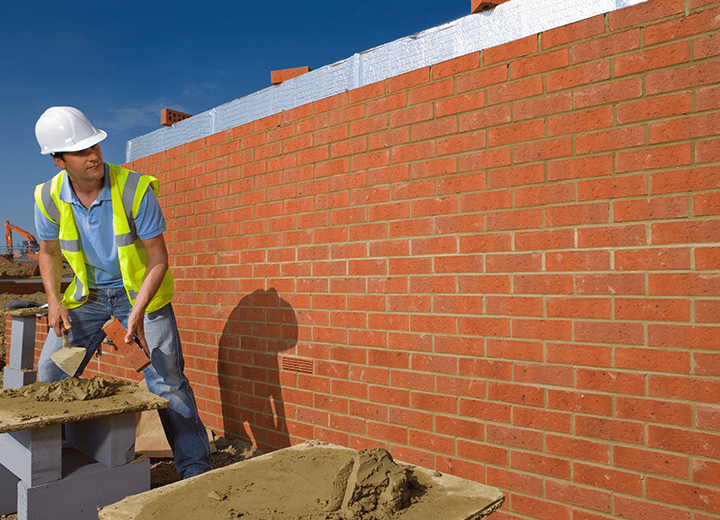
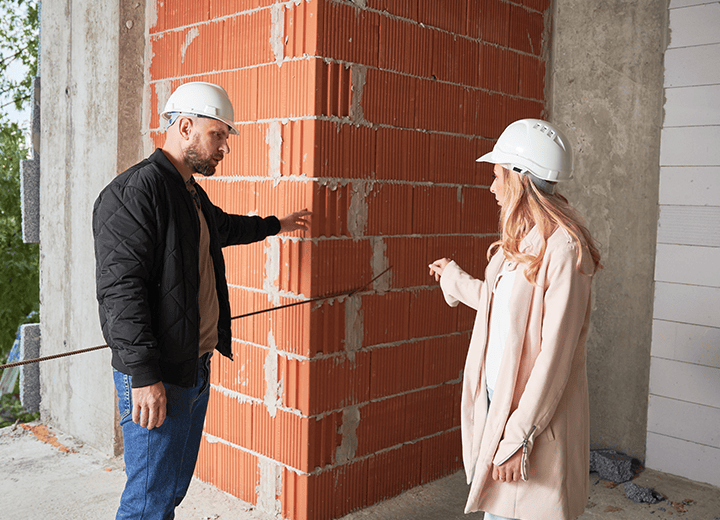
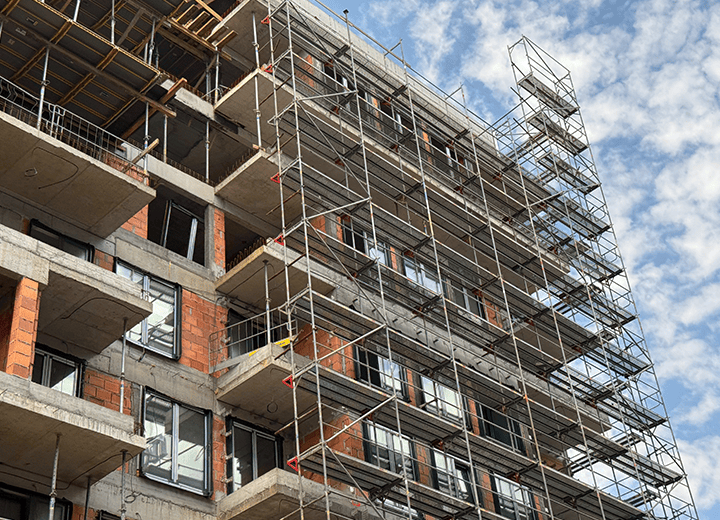
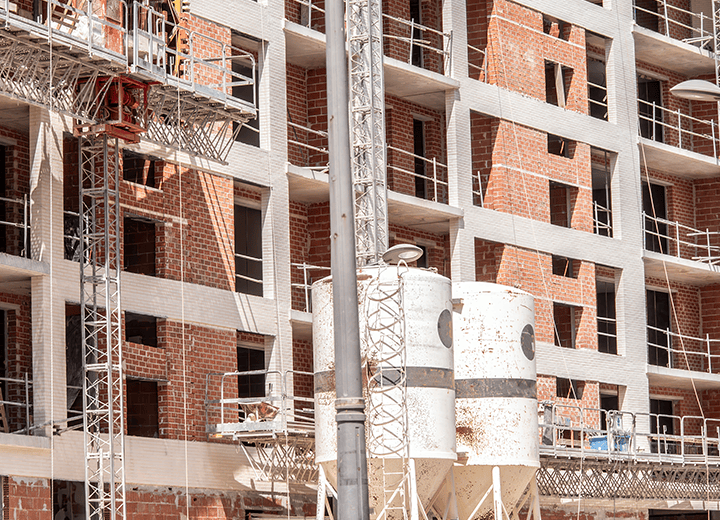
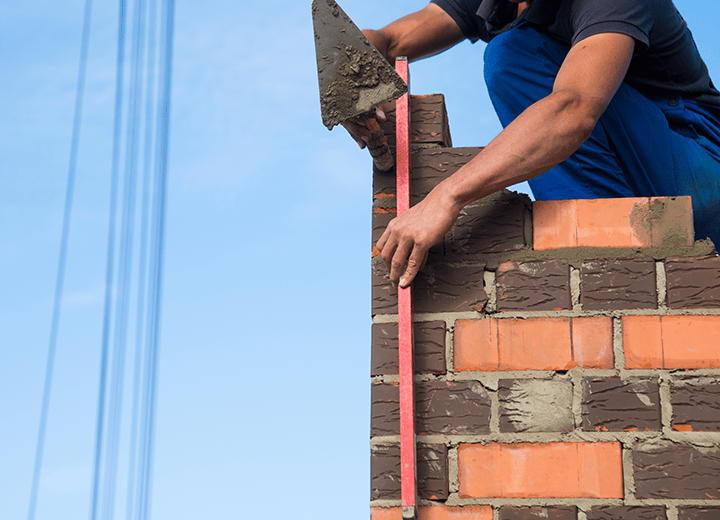
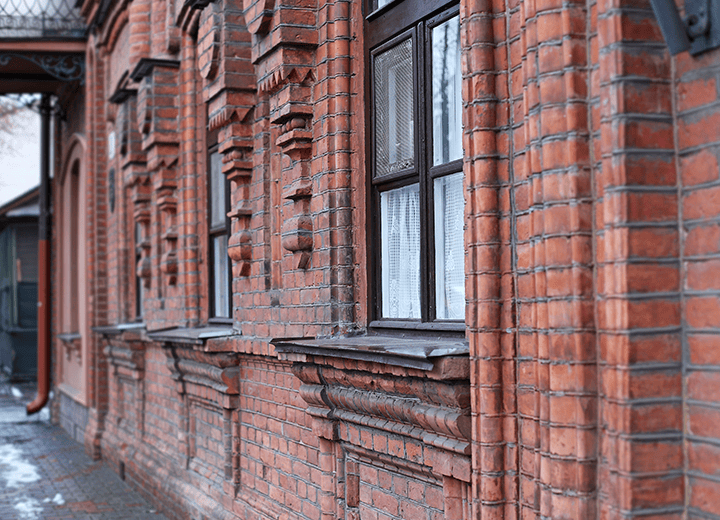
Tuckpointing Across NYC & Westchester
Original tuckpointing survives on older brick buildings all over the city. We restore it, and repoint standard joints, throughout four NYC boroughs and Westchester County.
- Bronx
- Brooklyn
- Manhattan
- Queens
- Westchester
Tuckpointing FAQs
Not technically. Repointing replaces worn mortar in the joints. True tuckpointing adds a fine decorative line of lime putty on top of joints filled with brick-colored mortar. Many people use the word tuckpointing to mean repointing, and we're happy to help with either.
It made ordinary or irregular brick look like expensive, precisely laid brickwork. By hiding the real joint in brick-colored mortar and showing only a thin, straight line, builders could give a facade a refined look at a lower cost.
It can, but the facade will lose its original look. On landmarked buildings, the original joint style is generally expected to be kept. On other buildings it's the owner's choice, and we'll explain the difference in cost and appearance before you decide.
Traditionally, it's a fine lime putty, sometimes mixed with very fine sand. It's usually lighter than the brick, often white or cream, though darker lines were also used on some facades. We match the color of the original lines where they survive.
Yes. Each joint is worked twice, first filled with colored mortar and then finished with the ribbon, and the line work has to be done by hand. Expect it to take noticeably longer than standard repointing on the same wall.