
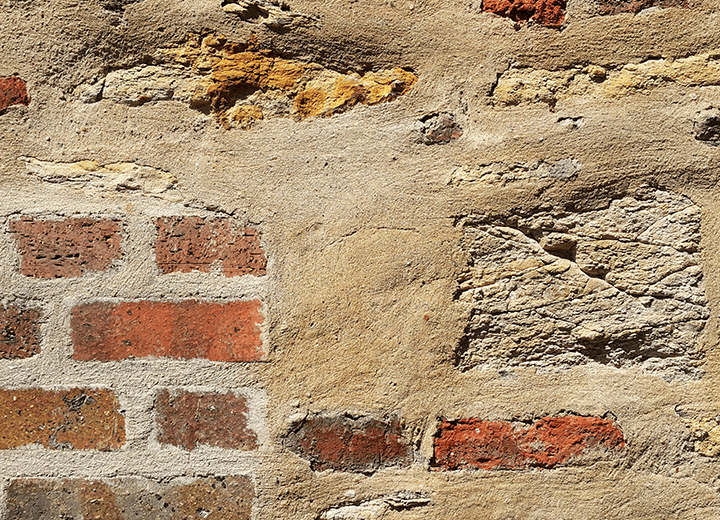
Lime Mortar Repointing NYC
Lime mortar repointing in NYC for older brick buildings that were built with lime and suffer when they’re repointed with cement. We match the original mortar, remove hard cement repairs where they’re doing damage, and repoint with a mix that lets the wall breathe.
- Mortar Matched to the Original
- Cement Repairs Undone
What Lime Mortar Repointing Means for Pre-War Brick
Lime mortar repointing is repointing done with a mortar made mainly from lime and sand, the same kind of mortar most brick walls were built with before Portland cement took over. It’s softer and more breathable than modern cement mortar, which is exactly why older brick needs it. The joints give way to movement and moisture so the brick doesn’t have to.
A lot of NYC’s older housing stock was laid in lime mortar, and much of it has since been repointed with hard cement mix. That’s where the trouble starts. Cement mortar is often stronger and less permeable than the old brick around it, so water that used to escape through the joints gets pushed out through the brick instead, and the brick faces start to crack and flake. Repointing in lime reverses that, putting the weak point back in the joint, where it belongs.
Lime Mortar Repointing in NYC for Walls That Need to Breathe
Working with lime is a different trade from everyday cement pointing. The mix has to be matched to the original, old mortar has to come out without damaging soft brick, and the new lime has to cure slowly and be protected while it does. We handle all three, and we’ll tell you honestly when a wall doesn’t need lime at all.
Mortar Analysis & Matching
Samples of the original mortar studied for color, sand, and makeup so the new mix matches the wall.
Putty & Hydraulic Lime Mixes
The right type of lime chosen for the wall's exposure, from soft lime putty to natural hydraulic lime.
Cement Repairs Removed
Hard cement patches carefully cut out where they're trapping moisture and cracking the brick.
Is Cement Mortar Damaging Your Brick?
Hard cement repairs on soft old brick rarely fail in the joints. They fail in the brick, and the damage shows up a few years after the work was done.
These are the signs that a wall was repointed with the wrong mortar, or is due for repointing and should be done in lime.
Brick Flaking Beside Hard Joints
Brick faces breaking away while the mortar next to them stays intact.
Cracks Running Through Bricks
Cracks passing through the brick itself instead of the joints.
Damp Walls After Repointing
Moisture problems that started after earlier pointing work.
Joints Standing Proud of the Brick
Mortar sticking out because the brick around it has worn back.
Gray Cement Patches
Hard, gray repairs on an otherwise soft, sandy-colored wall.
A Building From Before the 1900s
Older NYC brick was usually laid in lime and is worth checking.
Our Lime Mortar Repointing Method in NYC
Lime rewards patience. Rushing any of these stages is the fastest way to a failed job.
01
Sample the Original Mortar
We take samples from the wall to match color, sand, and lime content before mixing anything.
02
Remove Mortar by Hand
Old joints and cement repairs are cut out carefully, so soft brick edges aren't chipped or widened.
03
Pack in Thin Layers
Lime mortar is pressed into the joints in thin layers, each firmed up before the next.
04
Slow Cure And Protection
The new joints are shaded, kept damp, and protected from frost while the lime hardens.
Lime vs Cement Mortar on NYC Buildings
Neither mortar is better in every case. The right one depends on the brick and on how the building was built.
Lime Mortar
Soft, flexible, and breathable. It lets moisture escape through the joints and is the right match for most older, softer brick.
Portland Cement Mortar
Hard, dense, and less permeable. It suits modern, harder brick, but on old brick it can force moisture and stress into the brick itself.
Landmarked Buildings
On landmarked buildings and in historic districts, LPC reviews repointing mortar, and on older walls a lime-rich mix is typically what matches the original.
Types of Lime We Work With
Lime mortar isn’t one product. We choose the mix based on the wall, its exposure, and the original mortar.
Lime Putty
Traditional non-hydraulic lime, the softest option and closest to many original mortars.
Natural Hydraulic Lime
Lime that sets partly with water, for more exposed walls that need extra durability.
Matched Sands
Sand chosen for color and grain, since it shapes how the joint looks.
Natural Pigments
Used sparingly when sand alone can’t reach the original color.
What Sets Our Lime Repointing Apart in NYC
Plenty of crews will say they use lime. What matters is whether the mix is matched, whether the brick survives the removal, and whether the new mortar is given time to cure. For a sense of pricing, see our brick pointing cost guide.
Analysis, Not Guesswork
The new mix is based on the original mortar.
Curing Managed Properly
Shade, moisture, and frost protection built into the schedule.
Soft Brick Protected
Hand removal wherever the brick can't take power tools.
Cement Mistakes Undone
Harmful hard repairs removed and replaced in lime.
Lime Mortar Repointing Reviews From NYC Owners
4.6 /5
“We have an older brick building and specifically needed lime mortar rather than a standard cement mix. They understood the difference and took care to use a mortar that suited the existing masonry.”
Lime Mortar Repointing Work Around NYC
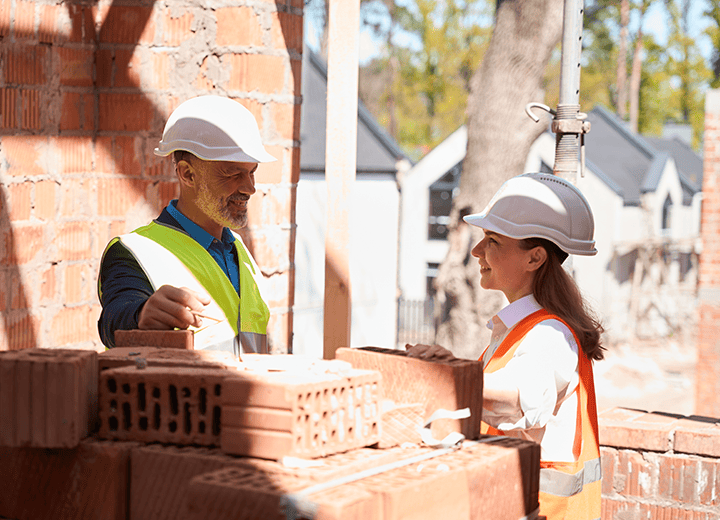
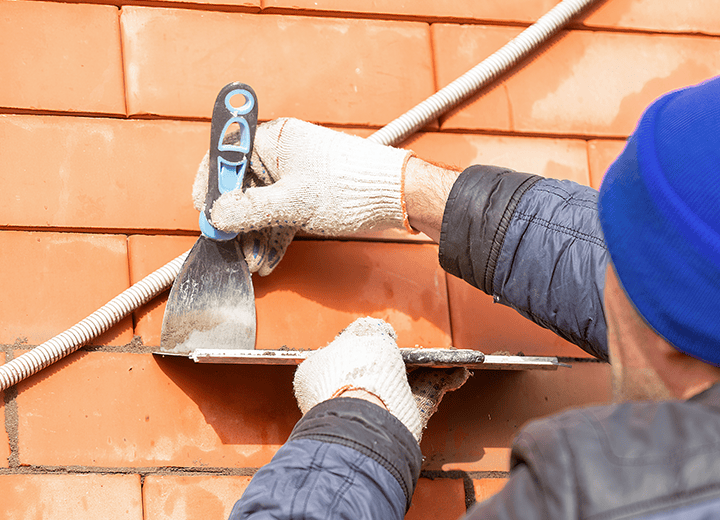
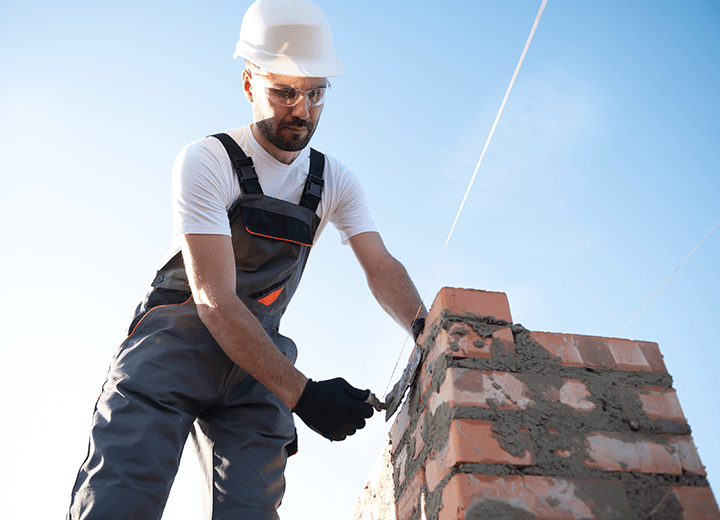
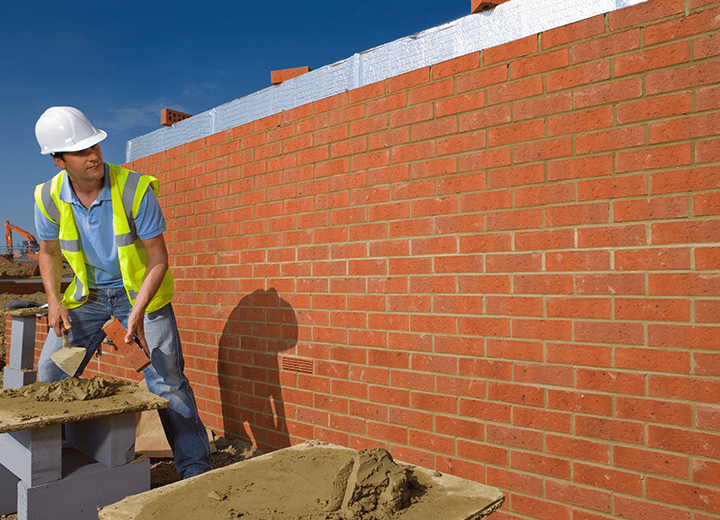
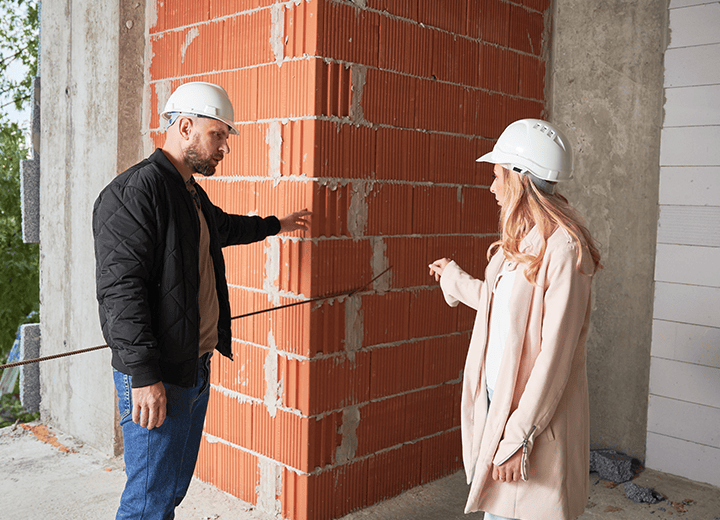
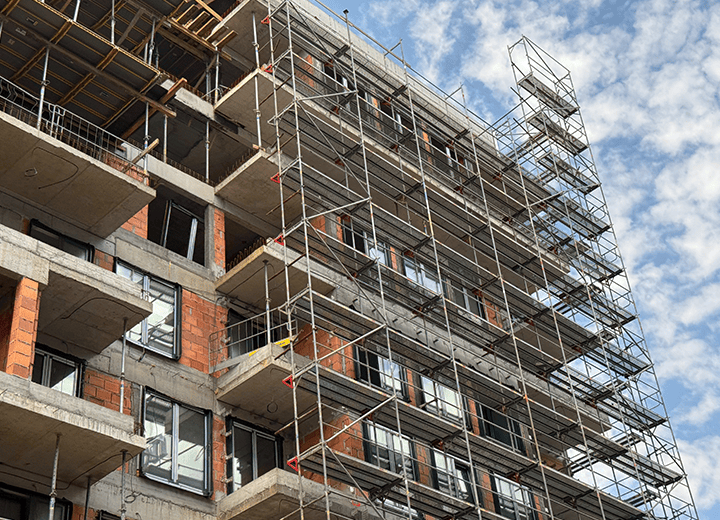
Lime Mortar Repointing Throughout NYC & Westchester
Older lime-laid brick can be found in every borough, from nineteenth-century row houses to early apartment buildings. We repoint it in lime throughout four NYC boroughs and Westchester County.
- Bronx
- Brooklyn
- Manhattan
- Queens
- Westchester
Lime Mortar Repointing FAQs
Age is the first clue, since most NYC brick buildings from before the early 1900s were laid in lime. Lime mortar also tends to be softer, lighter, and sandier than cement mortar. A sample from the wall confirms it, and we check this before recommending a mix.
It's not recommended. Cement mortar is usually harder and less breathable than old brick, so it pushes moisture and stress into the brick instead of the joints. Over time that cracks and spalls the brick, which is far more expensive to fix than the mortar.
It's softer by design, and that's the point. Mortar is supposed to be the part of the wall that wears and gets renewed. Properly mixed and cured, lime mortar lasts for decades while protecting the brick around it.
Lime hardens slowly by absorbing carbon dioxide from the air, so it takes much longer than cement. It needs protection from fast drying, heavy rain, and frost in the early weeks, which is why lime work is best scheduled in mild weather.
Yes, but carefully. Hard cement is harder to remove than the brick around it, so it's cut out slowly to avoid damaging the brick edges. Where brick has already been damaged, it may need repair before the wall is repointed.