
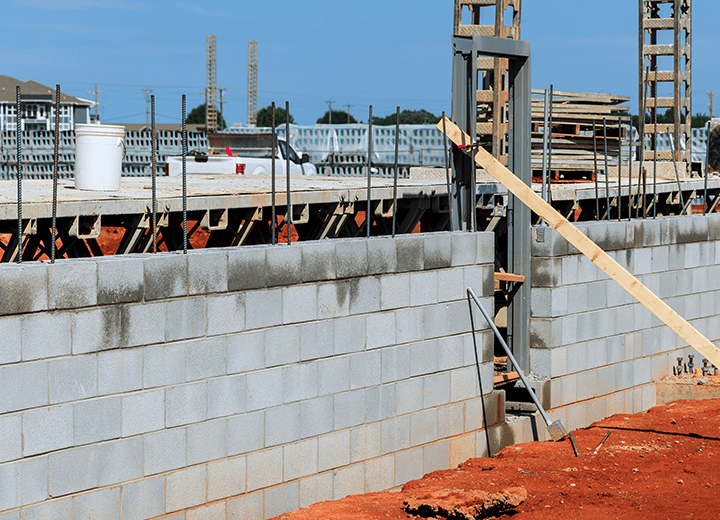
Parapet Wall Pointing NYC
Parapet wall pointing in NYC for rooflines where the mortar has worn out on the street side, the roof side, or under the coping. We repoint every face of the parapet so water stops soaking into the wall and the top floor stays dry.
- Both Faces Repointed
- Coping Joints Included
What Is Parapet Wall Pointing?
Parapet wall pointing is repointing the mortar joints of the short wall that runs along the edge of a roof. Worn mortar is cut out and replaced on both faces of the wall, the side you see from the street and the side that faces the roof, along with the joints under and between the coping stones on top.
A parapet has three weather faces instead of one, and the roof side is the one almost nobody checks. That back face often sits in standing water after storms, and its joints can wear through long before the street face shows a problem. When that happens, water gets into the core of the wall and works its way down into the rooms below. Repointing all three faces, not just the one that’s visible, is what keeps a parapet dry.
Repointing Both Faces of NYC Parapet Walls
Most parapet leaks we trace start on the roof side or under the coping, even when the street face looks fine. So our parapet pointing always covers the full wall. We work from the roof, protect the roofing while we do it, and treat the joint where the roof flashing meets the parapet as part of the job.
Street-Side Face
The visible face repointed and tooled to match the rest of the facade.
Roof-Side Face
The back of the parapet, where water sits and joints fail first, repointed in full.
Coping & Cap Joints
Joints under and between coping stones repointed so water can't get in from above.
Parapet Joints Due for Repointing
Parapet problems are easiest to spot from the roof itself. If you can get up there safely, look at the back of the wall as closely as the front.
Any of these means the joints are no longer keeping water out of the parapet.
Open Joints on the Roof Side
Worn or missing mortar on the back of the wall.
Cracked Joints at Corners
Cracks opening where parapet walls meet.
Moss on the Back Face
Growth on a roof-side face that stays damp.
Gaps Under the Coping
Mortar gone from the joint beneath the coping stones.
Flashing Lifting at the Base
Roof flashing pulling out of its joint in the parapet.
Damp Plaster Below the Roofline
Stains or peeling paint on top-floor walls.
How We Repoint Parapet Walls in NYC
Parapet pointing is roof work, so the roof is protected before the first joint is opened.
01
Roof Access & Protection
Safe access is set up and the roofing around the parapet is covered.
02
Both Faces Raked Out
Worn mortar is cut out on the street side and the roof side.
03
Coping Joints Pointed
Joints under and between the coping are repointed, and loose stones are flagged.
04
Flashing Joint & Final Check
The flashing joint is repointed and sealed, and the whole wall is checked with you.
Parapet Pointing and NYC's Annual Observation Rule
Since 2024, parapets on many NYC buildings are checked every year, and repointing is one of the most common fixes those checks lead to.
What the Rule Covers
Buildings with parapets facing a street or other public way need a yearly observation, whatever their height. Detached one- and two-family homes are exempt.
When Pointing Is the Fix
Worn and open mortar joints are among the most common findings, and repointing addresses them before they become a hazard.
When It Isn't
A parapet that's leaning, cracked through, or losing coping needs repair or rebuilding, not just pointing, and public protection comes first if it's unsafe.
Parapet Pointing Details That Matter
A few details decide whether repointed parapet joints last a few winters or many years.
Mortar for Full Exposure
A mix that stands up to weather on both faces while staying compatible with the brick.
Coping Bed Joints
The joint beneath each coping stone, where water gets in from above.
Flashing Reglet's
The joint that holds the roof flashing, repointed so the metal stays tight.
Water-Shedding Joint Profiles
Joints tooled to a shape that throws water off instead of holding it.
Why Building Owners Pick Us for Parapet Pointing
A parapet repointed on one side is still a leaking parapet. We point the whole wall and document the work, which helps when the next annual observation comes around. For a sense of pricing, see our brick pointing cost guide.
Back Face Never Skipped
The roof side gets the same work as the street side.
Roofing Protected
Your roof covered and cleared when we finish.
Coping Joints Included
The joints on top handled as part of the job.
Records for Your File
Photos of the finished work for your parapet records.
Parapet Pointing Reviews From NYC Owners
4.6 /5
“Our parapet wall had open joints and loose mortar along several sections. They repointed the damaged areas and made sure the top of the wall was properly addressed as well.”
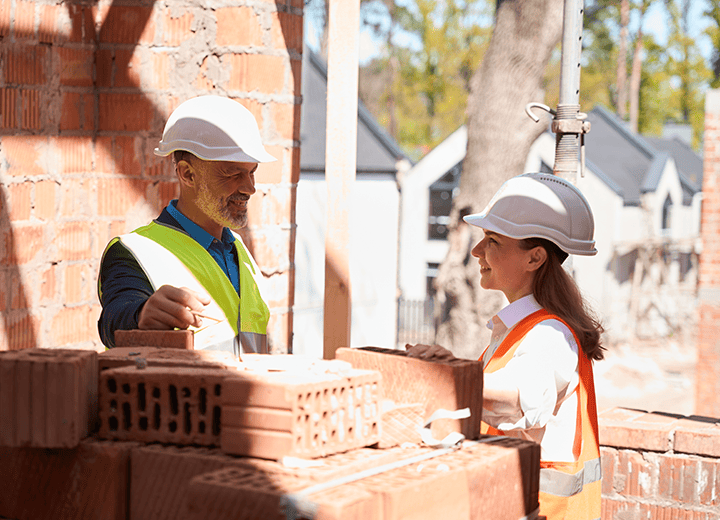
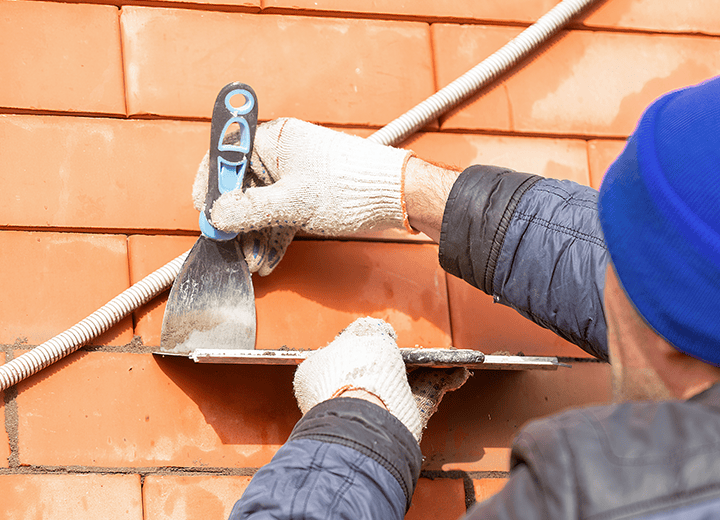
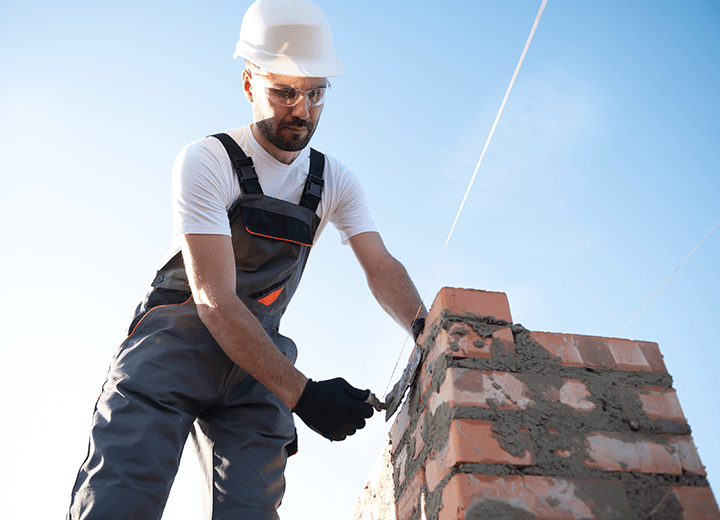
Parapet Repointing Projects in NYC
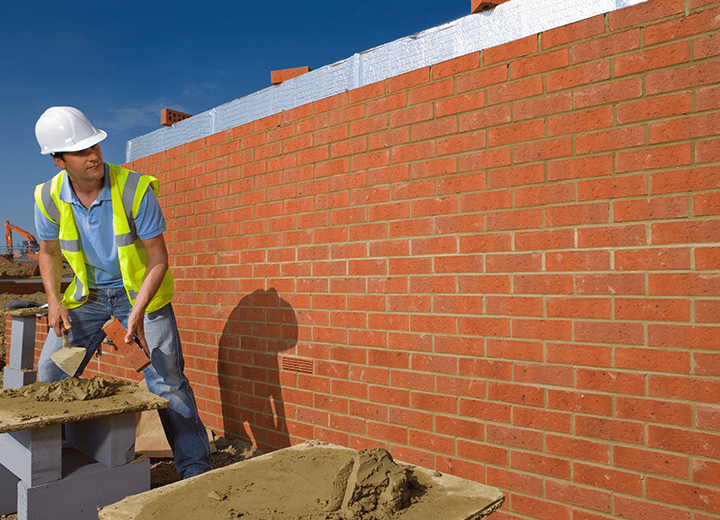
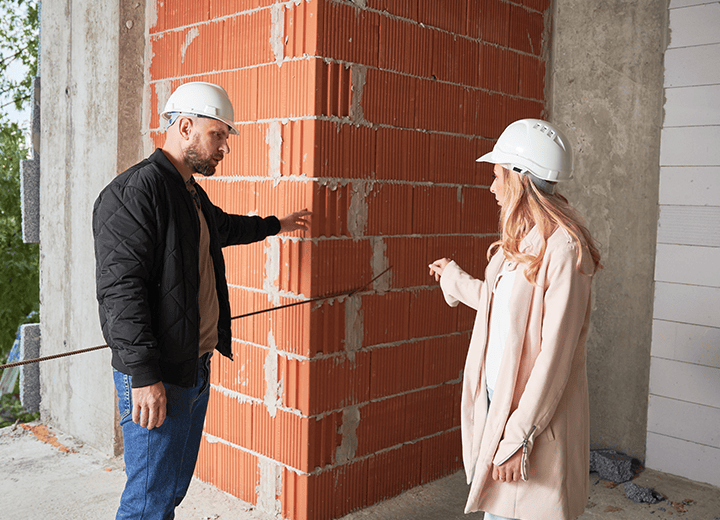
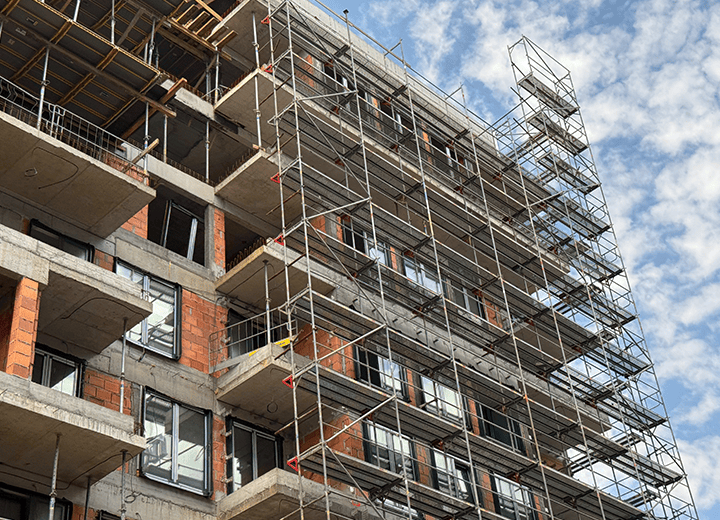
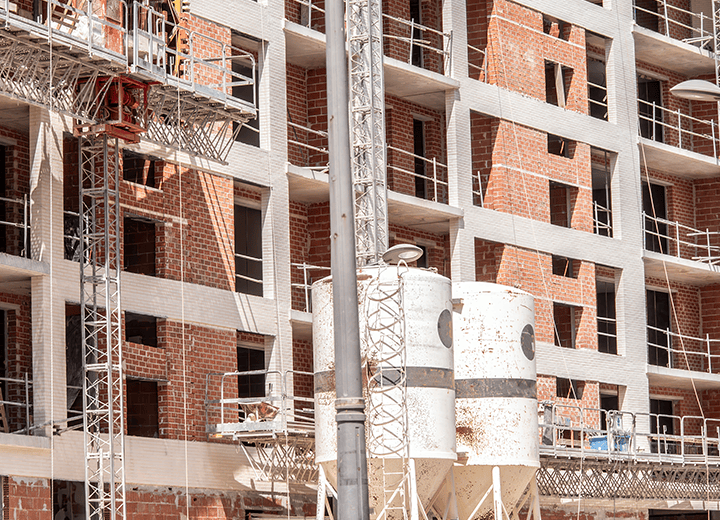
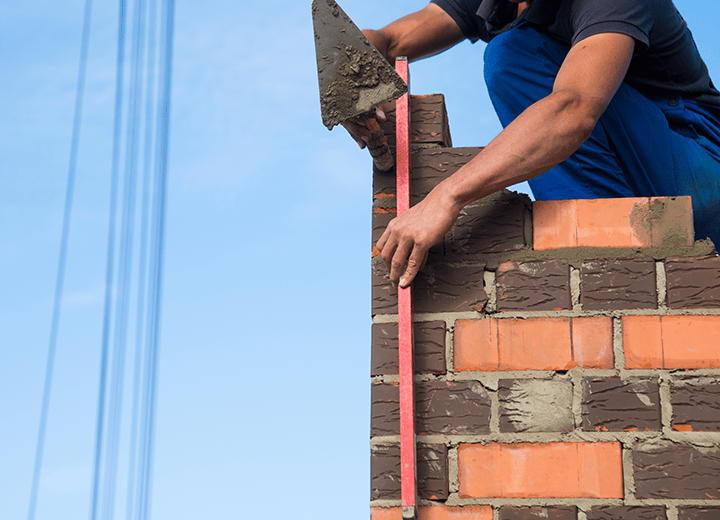
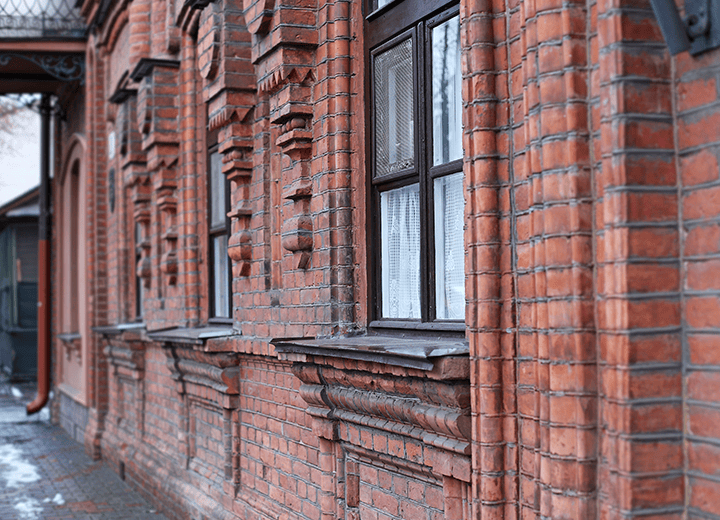
Parapet Pointing for Buildings Across NYC And Westchester
We repoint parapets on row houses, brownstones, and apartment buildings throughout four NYC boroughs and Westchester County. The annual parapet observation is a New York City rule, so it doesn’t apply to Westchester buildings.
- Bronx
- Brooklyn
- Manhattan
- Queens
- Westchester
Parapet Wall Pointing FAQs
The roof side often gets more water than the street side, since rain and snow collect against it on the roof. Its joints can fail first, and because it's out of sight, the damage goes unnoticed until water shows up inside. Repointing only the street face leaves that path open.
It shouldn't. We cover the roofing around the parapet before work starts and clean up when we finish. If the roof membrane or base flashing itself needs replacing, that's roofing work, and we'll let you know so it can be coordinated.
It depends on what was found. Worn and open joints are fixed by repointing. A parapet that leans, has cracks through the wall, or has loose coping needs repair or rebuilding instead, and anything found unsafe needs public protection first.
More often than the walls below them, because they're exposed on every side. There's no fixed schedule, but annual observations make it easy to catch worn joints early, before they turn into a bigger repair.
Usually not. The joints under and between coping stones can generally be repointed in place. Stones that are loose or rocking may need to be reset, and we'll tell you if that's the case.